

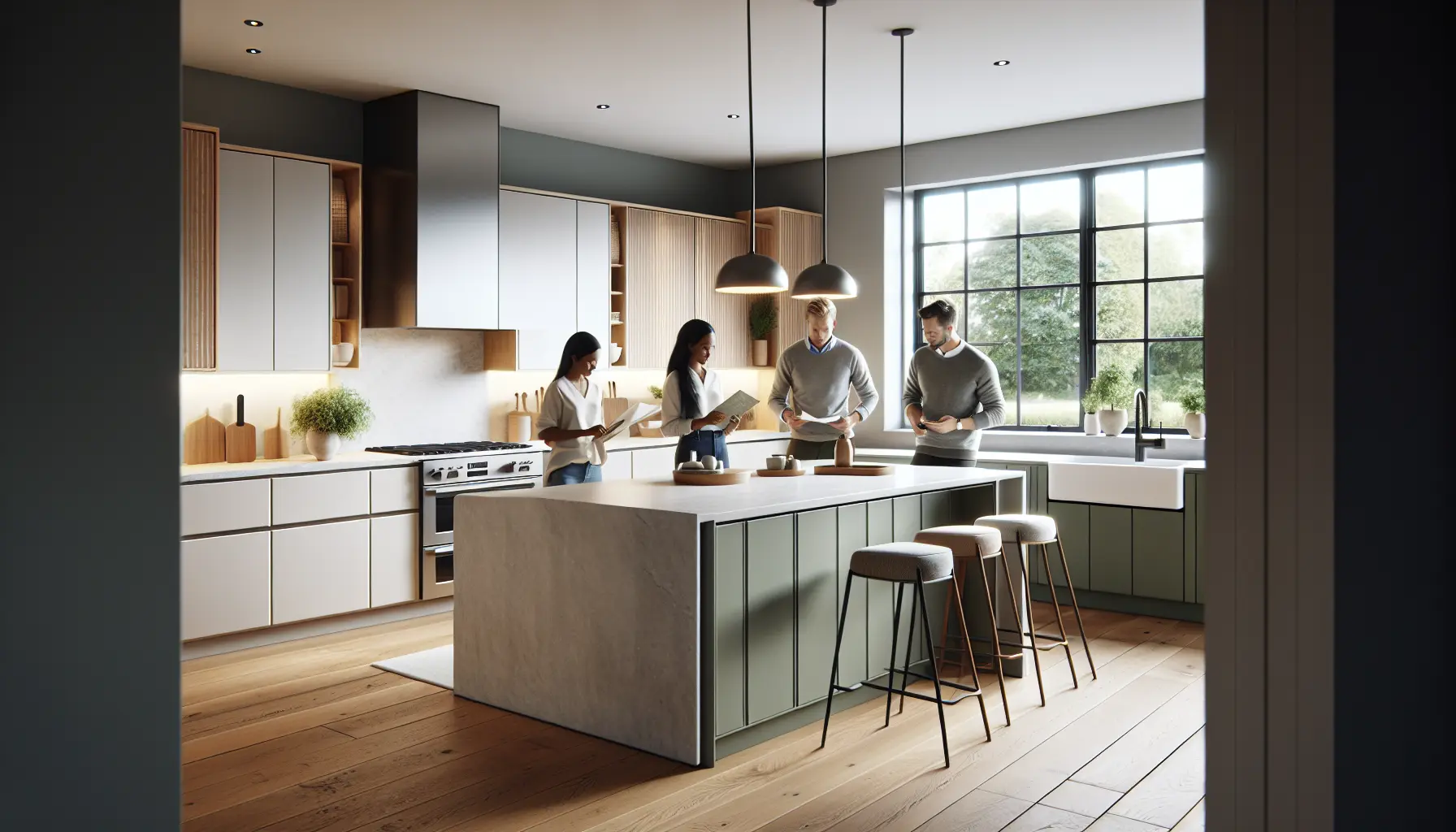
Start Here: What A NatWest‑Ready Plan Looks Like For A Premium Kitchen Showroom Franchise
Imagine you’re preparing a loan pack for a NatWest credit officer: a clear one‑pager, conservative forecasts and a repayment plan that survives a slow quarter. This guide is for prospective Schmidt franchisees in the UK who need a lender‑ready business plan and practical steps to make it approveable.
In our experience, banks want crisp evidence: a credible market, conservative unit economics and security that ties to a real showroom asset. Read on and you’ll get a checklist for a lender pack, the numbers lenders focus on, and the operational story that turns enquiries into repeatable orders.
- Executive summary that speaks a bank’s language
- Conservative assumptions with sensitivity analysis
- Clear repayment profile and DSCR tracking
Start your pack with the business model and headline financials, then map funding routes and security options.
What Most People Get Wrong
Many applicants over‑optimise AOV and market share. A common issue we see is optimistic conversion rates without a tested lead pipeline; lenders discount unrealistic upside and focus on downside resilience.
When This Doesn’t Apply
If you plan a low‑cost pop‑up or a stock‑heavy retail model, the Schmidt format and its working capital profile will not fit lender expectations—this guide assumes a service‑led, made‑to‑measure showroom model.
Quick Checklist
- Executive summary, 3‑year P&L, cashflow and balance sheet
- Assumptions tab and ±10–20% sensitivity
- Funding memo, security schedule and CVs
Size Your Local Demand With Precision: Exclusive Territory, Real Buyers
Build your case from local data. Define TAM as owner‑occupied homes in your exclusive catchment, then refine to SAM for mid‑to‑high‑end kitchen renewals and your realistic SOM for years 1–3 based on capacity and marketing.
If you’re in a higher‑affluence UK area, factor in replacement cycles, new‑build pipelines and discretionary spend indicators. Map competitors by price point to show Schmidt’s premium differentiation. Central marketing plus screened enquiries materially lifts conversion versus independents—use that in your lender narrative.
- Simple funnel: Leads → Design Appointments → Orders → Installs
For practical territory work see choosing your territory and how central marketing supports local sales at how Schmidt delivers qualified leads.
The Schmidt Showroom Model: Simple Operations, Premium Experience, Scalable Growth
Run a high‑value retail business with a compact skilled team. The owner oversees two designers, local partnerships and marketing. Designs are completed in‑showroom using VR, then measured, manufactured and installed with aftercare.
From a lender perspective the strengths are clear: no franchise royalties, no stockholding, predictable manufacture lead times and positive working capital. Scale by adding designers and installers once utilisation is proven.
Learn more about the economics in the no fees, no royalties Schmidt franchise model.
INLINE_IMAGE_1
Build Your Year 1–3 P&L: Conservative, Bank‑Grade And Commercially Sound
Start with orders per month and AOV, then layer conversion, installation timing and seasonality. Use conservative headcounts and phase salaries. Present base and downside cases, with EBITDA, breakeven orders and lender ratios such as interest cover and DSCR.
A common approach is a base case with modest growth assumptions and a downside that tests a 10–20% volume drop. Include an assumptions tab lenders can audit quickly.
- Assumptions tab: AOV, conversion, pay terms, rent, salaries, marketing
- Sensitivity: ±10–20% on volume and margin with DSCR impact
Cash Flow And Schmidt Contribution: Design Your Positive Working Capital
Your cash cycle is structurally positive: deposit at order, a stage payment before manufacture, final balance pre‑installation. Supplier terms generally follow customer receipts, protecting early liquidity.
In our experience, showrooms that model a 13‑week rolling cashflow and a clear order waterfall (deposit → stage → final) persuade lenders faster. Define a minimum cash covenant and a contingency buffer.
- Define a minimum cash covenant and a contingency buffer
- Include a clear cash bridge: orders → receipts → supplier outflows
Fund The Fit‑Out: Structure Your Investment The NatWest Way
Set out total project cost: showroom fit‑out, displays, professional fees, launch marketing and working capital. Typical totals range c.£250k–£450k with a blend of Schmidt support, bank lending and personal input (minimum £70,000).
Align loan tenor to asset life, target DSCR ≥1.5x on base case and stress test +200bps rate moves and a three‑month ramp delay. Provide mitigations—marketing trimming, phased spend and owner drawings suspension—to preserve covenants.
- One‑page funding memo: sources, uses, securities, covenants
- Repayment plan with quarterly checkpoints and cover ratios
Unit Economics And KPIs Banks Want To See In A Premium Kitchen Franchise UK
Track enquiries, design appointments, conversion rate, AOV, gross margin %, cancellation/variation rate, installs completed, lead time and NPS. Report monthly and tie actions to owners and dates.
Benchmarks to test against: conversion 25–35% (designs→orders), AOV £18k–£25k, gross margin 40–50%. Use a dashboard showing pipeline, margin trend, DSCR and cash headroom.
- Dashboard: pipeline health, margin trend, DSCR, cash headroom
- Actions log with owners, dates and outcomes
INLINE_IMAGE_2
Risk, Sensitivity And Mitigations In A Premium Home Interiors Franchise
Model three scenarios with triggers and responses. The lender wants to know your early warnings: falling leads, conversion dips or installer delays—and your planned responses.
Resilience comes from central marketing, European manufacturing scale, disciplined pricing and an installer bench. Practical mitigations include switching to variable marketing, tightening credit terms, and weekly pipeline reviews.
- Scenario summary: volume, margin, EBITDA, DSCR with covenant checks
- One‑page risk register with owners and early‑warning KPIs
Launch Plan And Lender Milestones: Day 0 To Month 6
Provide a 100‑day Gantt that lenders can read in minutes: site shortlist → heads of terms → build → displays → hire → pre‑launch → soft open → grand opening. Specify lender CPs, first drawdown and first covenant test dates.
Schmidt supports site selection, showroom layout, training and national marketing; include the 100‑day showroom launch plan as an annex to show you’ve considered timing and risks.
Your Lender Pack: Checklist And Templates To Include
Make approval straightforward. Include: executive summary; brand credentials and support; market analysis; 3‑year P&L, cashflow and balance sheet; sensitivities; funding memo; CVs and training plan; territory dossier; marketing calendar; lease draft; installer agreements and sustainability credentials.
Label exhibits, add a covering note that summarises affordability, security and Schmidt’s contribution, and keep the pack to a readable length.
Next Steps: Book A Territory Review And Finance Call
Request your bank‑ready pack, book a territory review and schedule a finance call. Visit an operating showroom to see the model and ask for the local conversion stats. Start the conversation via contact.
FAQs
Do I Need Prior Kitchen Design Experience To Open A Showroom?
No. Schmidt provides training for owners and designers in sales, design and operations so you can lead the business while the team manages design delivery.
How Large Is An Exclusive Territory And How Is It Agreed?
Territories are sized using demographic and affluence data; typical territories aim for c.150,000 qualified homes but exact boundaries are agreed during planning.
What Is The Typical Investment And Funding Mix?
Typical project totals are c.£250k–£450k. Funding usually combines Schmidt support, bank lending and a minimum personal contribution of £70,000.
How Quickly Can I Expect To Reach Cash Breakeven?
Many partners target breakeven within 12 months. Positive customer payment terms and the Schmidt Contribution help early liquidity—model a 13‑week rolling cashflow.
Which KPIs Should I Report To The Lender Monthly?
Report enquiries, design appointments, conversion rate, AOV, gross margin %, cancellations, installs per month and DSCR. Include explanations for any trends and actions taken.
How Are Customer Payments Structured To Protect Cashflow?
Typical structure: deposit at order, stage payment before manufacture, final balance pre‑installation. This sequencing supports a positive working capital position.
When Is It Appropriate To Open A Second Showroom?
Consider a second site once utilisation, cashflow and management capacity are stable. Scale by adding designers first, then a new location when demand and margins justify the investment.