


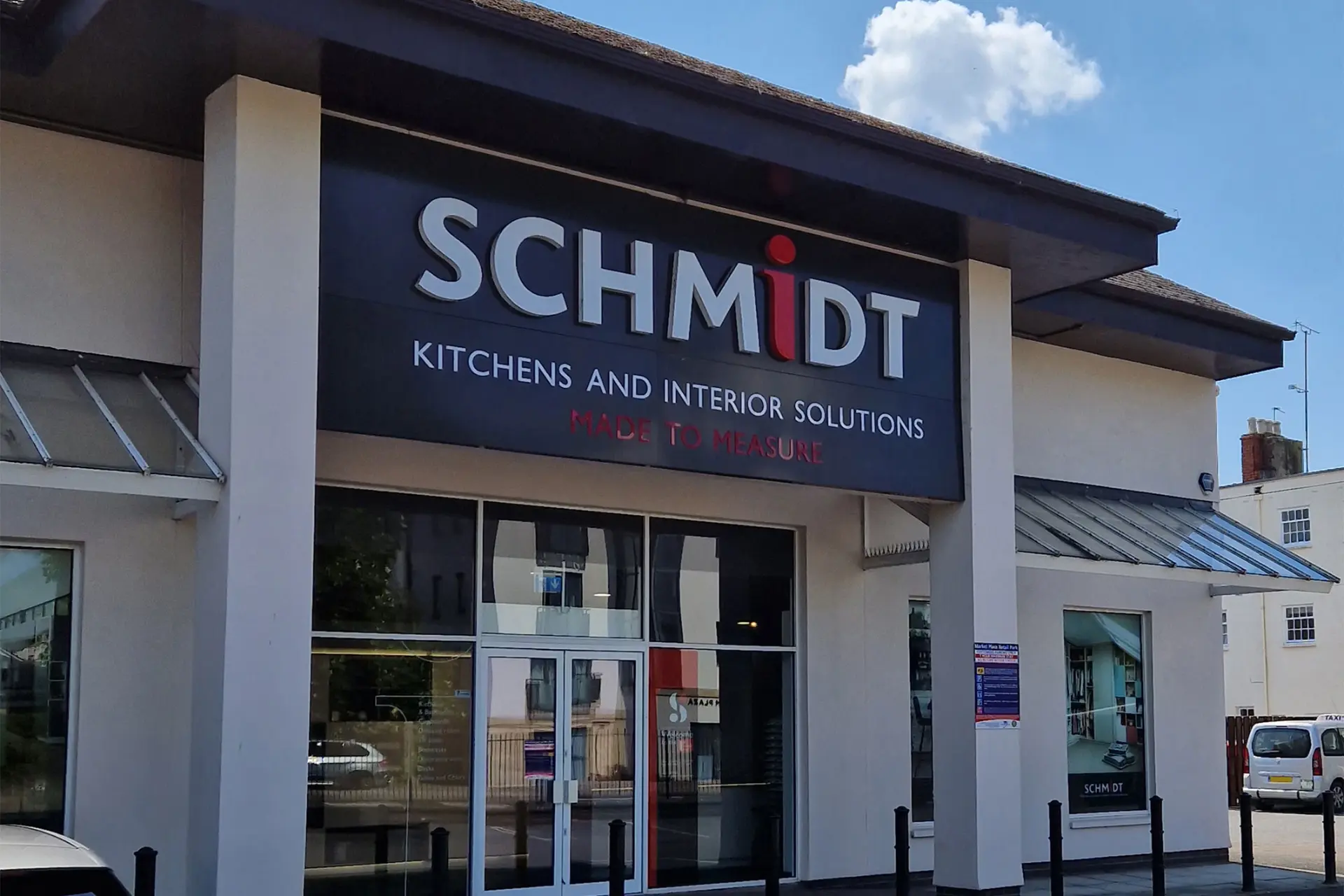
Practical strategies to strengthen your showroom’s digital presence and convert online searches into showroom visits
The journey to a new kitchen almost always starts online. Your potential customers research styles, compare designs, and search for reputable showrooms long before they ever step through your doors. For premium kitchen retailers like Schmidt, this shift in consumer behaviour is both a challenge and an opportunity. The showrooms that master kitchen showroom SEO are the ones capturing high-intent customers at exactly the right moment.
Recent research indicates that more than three-quarters of consumers who conduct a local search visit a business within 24 hours, with nearly a third of those searches resulting in a purchase. For kitchen showrooms, where the buying cycle is longer and more considered, establishing visibility early in that research phase is essential. This guide explores practical, actionable strategies specifically tailored for kitchen showrooms operating in the UK market.
Understanding Local SEO for Showrooms in the UK
Local SEO for UK showrooms differs fundamentally from broader search engine optimisation. Rather than competing nationally for generic terms, the focus shifts to capturing customers within your catchment area who are actively seeking kitchen design services. Google’s algorithm prioritises three core factors for local results: relevance to the search query, physical distance from the searcher, and prominence based on reputation signals.
What makes local SEO particularly powerful for kitchen showrooms is the intent behind searches. Someone typing “kitchen showroom near me” or “bespoke kitchen design [town name]” is typically further along in their decision-making process than someone casually browsing Pinterest for inspiration. These are customers ready to engage, compare options, and ultimately commit to a significant investment in their home.
For Schmidt showrooms across the UK, success in local search means appearing not just in organic results, but prominently in the Google Map Pack, those three highlighted businesses that appear alongside the map in local searches. Studies suggest businesses appearing in this prime position receive significantly more clicks, calls, and direction requests than those ranked below.

Your Google Business Profile: The Foundation
Your Google Business Profile is the cornerstone of any effective kitchen showroom SEO strategy. Think of it as your digital shop window, often the first impression potential customers receive before they’ve even visited your website.
In 2025, Google has enhanced these profiles with AI-powered features that reward businesses maintaining active, complete, and engaging listings.
Essential Profile Elements
• Accurate NAP consistency: Ensure your name, address, and phone number match exactly across your website, Google profile, and all directory listings. Even minor inconsistencies can confuse search algorithms and dilute your local authority.
• Comprehensive category selection: Select the most accurate primary category (“Kitchen designer” or “Kitchen showroom”) and add relevant secondary categories to capture adjacent searches.
• Services and attributes: Detail every service you offer,from initial consultation and 3D design through to installation. Include attributes like “free consultations,” “wheelchair accessible,” and “appointment required” to help customers understand what to expect.
• Opening hours and special dates: Keep hours current, including bank holidays and seasonal variations. Nothing frustrates a potential customer more than arriving at closed doors.
Regular activity signals engagement to both Google and potential customers. Aim to publish Google Posts weekly, whether showcasing a recently completed project, announcing a design event, or sharing practical kitchen planning advice. This consistent presence demonstrates an active, thriving showroom worthy of consideration.
Mastering Local Keywords
Effective keyword strategy for kitchen showrooms requires thinking like your customers. While broad terms like “kitchen design” attract enormous search volumes, they’re fiercely competitive and often signal browsers rather than buyers. The real opportunity lies in longer, more specific phrases that capture genuine local intent.
Strategic Keyword Categories
Location-specific searches: Combine your core services with geographic identifiers. “German kitchen showroom Manchester” or “bespoke fitted kitchens Surrey” capture customers actively seeking options in their area.
Style-based queries: Homeowners often search by aesthetic preference: “handleless kitchen design,” “shaker style kitchens,” or “minimalist kitchen showroom.” Creating dedicated pages for each style you offer targets these specific interests.
Intent-driven phrases: Capture customers at different stages with phrases like “kitchen design consultation [town]” for those ready to engage, or “kitchen showroom visit [area]” for those wanting to see displays in person.
Integrate these keywords naturally throughout your website, in page titles, headings, body content, and meta descriptions. Avoid cramming keywords unnaturally; search engines have grown sophisticated at detecting and penalising such tactics. The goal is content that reads naturally while signalling relevance to both algorithms and human visitors.
Photography That Performs
Kitchen design is inherently visual, yet many showrooms fail to leverage their imagery for search performance. In 2025, Google Images drives meaningful traffic for design-related searches, but only when photographs are properly optimised.
Image Optimisation Essentials
Descriptive file names: Before uploading any image, rename it with keyword-rich, descriptive text. Transform “IMG_4521.jpg” into “modern-handleless-kitchen-london-showroom.jpg” to provide context for search engines.
Comprehensive alt text: Write alt text that describes both the visual content and its context: “Contemporary grey kitchen with island unit featuring integrated appliances, designed by Schmidt Islington.” This improves accessibility while supporting image search rankings.
File compression: Large image files slow page loading, damaging both user experience and search rankings. Use modern formats like WebP and compress images to balance quality with performance, aim for files under 200KB where possible without sacrificing visual impact.
Consistent uploads to Google Business: Regularly add fresh, high-quality photographs to your Google Business Profile. Research suggests businesses with appealing photos receive substantially more requests for directions and website clicks. Showcase your showroom displays, completed installations, and design process.
Consider creating dedicated gallery pages organised by kitchen style or project type. A page titled “Modern Kitchen Designs in Edinburgh” populated with relevant, optimised images can rank for niche visual searches and attract highly targeted visitors.

Building Your Review Reputation
Customer reviews have become perhaps the most influential factor in local search success. Research consistently shows that UK consumers check reviews before choosing local businesses, with a significant proportion refusing to consider companies below a four-star rating. For kitchen showrooms, where purchases represent substantial investments, this trust signal carries even greater weight.
Cultivating Authentic Reviews
The most effective review strategies feel natural rather than forced. Consider integrating requests into your existing customer journey: a follow-up email after installation, a QR code on completion documentation, or a gentle prompt during the post-project walkthrough. Timing matters and customers are most likely to leave positive reviews when the satisfaction of their new kitchen is freshest.
Responding to every review demonstrates engagement and care. Thank satisfied customers by name, reference specific aspects of their project, and show genuine appreciation. For critical reviews (which inevitably occur) respond professionally, acknowledge concerns, and offer to resolve issues offline. A thoughtful response to criticism often impresses potential customers more than generic praise.
Beyond Google, consider building a presence on platforms like Trustpilot, and local directories. Each authentic review across multiple platforms strengthens your overall digital reputation and provides additional pathways for discovery.
Showroom Marketing Strategies for 2025
Effective showroom marketing strategies combine online visibility with compelling reasons to visit in person. The digital experience should whet appetite; the showroom visit should close the sale.
Creating Showroom Destination Content
Develop content that positions your showroom as a destination worth visiting. Consider virtual tours or video walkthroughs that showcase your displays while leaving enough intrigue to encourage physical visits. Highlight exclusive elements only available in-person such as material samples, VR design experiences, or specialist consultations.
Local content creation establishes community connection. Write about kitchen design trends relevant to housing stock in your area, partner with local interior designers or architects for cross-promotion, or contribute expertise to regional publications. These activities build backlinks that strengthen search authority while positioning your showroom as an embedded local resource.
Events and Engagement
Design workshops, product launches, and open evenings create natural content opportunities while driving footfall. Promote events through your Google Business Profile, email marketing, and local social media. Capture photography during events for future marketing use, and encourage attendees to share their experiences online.
Technical Foundations
Even the most compelling content underperforms without solid technical foundations. Mobile-first indexing means your website must function flawlessly on smartphones, where the majority of local searches now originate. Test your site speed regularly; slow-loading pages cause visitors to abandon before ever seeing your beautiful kitchen displays.
Implement structured data markup to help search engines understand your business. LocalBusiness schema should include your address, opening hours, service area, and geo-coordinates. This technical addition can improve how your showroom appears in search results, potentially unlocking rich snippets that increase visibility and click-through rates.
For showrooms serving multiple areas, consider creating dedicated location pages for each primary market. A page targeting “kitchen showroom in Richmond” with unique, relevant content performs better than generic service pages attempting to rank everywhere.
Measuring Success and Looking Forward
Track meaningful metrics rather than vanity numbers. Monitor direction requests, phone calls, and consultation bookings attributed to your Google Business Profile. Analyse which search queries drive visitors to your website, and whether those visitors convert into showroom appointments. This data reveals which strategies deserve continued investment and where adjustments might improve returns.
Local SEO success builds gradually. While some improvements, like completing your Google Business Profile, yield rapid results, meaningful ranking improvements typically emerge over three to six months of consistent effort. The showrooms that commit to ongoing optimisation, regular content creation, and authentic customer engagement establish sustainable competitive advantages that prove difficult for competitors to replicate.
For Schmidt showrooms, the combination of exceptional product quality, bespoke design expertise, and strategic digital presence creates a powerful formula. By implementing these kitchen showroom SEO principles, embracing local SEO for showrooms UK best practices, and executing thoughtful showroom marketing strategies, you position your business to capture customers precisely when they’re ready to transform their homes.