


First‑Year P&L For A Premium Kitchen Showroom
Imagine you’ve agreed a lease on a high‑street unit in Leeds, run a launch event and in month two you’re converting design consultations into paid stage deposits. In our experience that early momentum separates owners who hit break‑even quickly from those who stall. This guide is for prospective UK owners evaluating the Schmidt franchise: you’ll get the practical P&L levers, cash‑flow realities and the month‑by‑month actions that make year‑one predictable.
This isn’t about kitchen design expertise. If you’re in retail leadership or project management, you’ll coach a small team, run consultations and deliver projects. Learn more about the brand in About Schmidt.
Revenue Model: Leads, Consultations And Average Order Value
The revenue engine blends centrally driven demand with your local activity. A common issue we see is owners over‑relying on walk‑ins; instead you should focus time on design‑led consultations that convert. The typical flow is: enquiry → showroom or VR consultation → home measure → proposal → order. That journey, executed consistently, drives higher average order values across kitchens and whole‑home projects.
We support traffic and national campaigns, but your local follow‑up and showroom experience turn enquiries into paid deposits. For how enquiries arrive and convert, see How Schmidt Delivers Qualified Leads.
Gross Margin Drivers You Control
Gross margin equals sales minus direct product and install costs. You control it through product mix, specifying complementary rooms, and tight project scoping that avoids rework. In our experience, design clarity at proposal stage prevents the margin leakage that kills month‑one profits.
Schmidt’s supply chain supports premium pricing; protect that value by selling solutions not discounts. There are no fees, no royalties, so margin upside stays local — an uncommon franchise benefit.
What Most People Get Wrong
Many assume higher footfall equals profit. The real driver is consultation quality and conversion. Volume without margin discipline leads to busy showrooms with little net contribution.

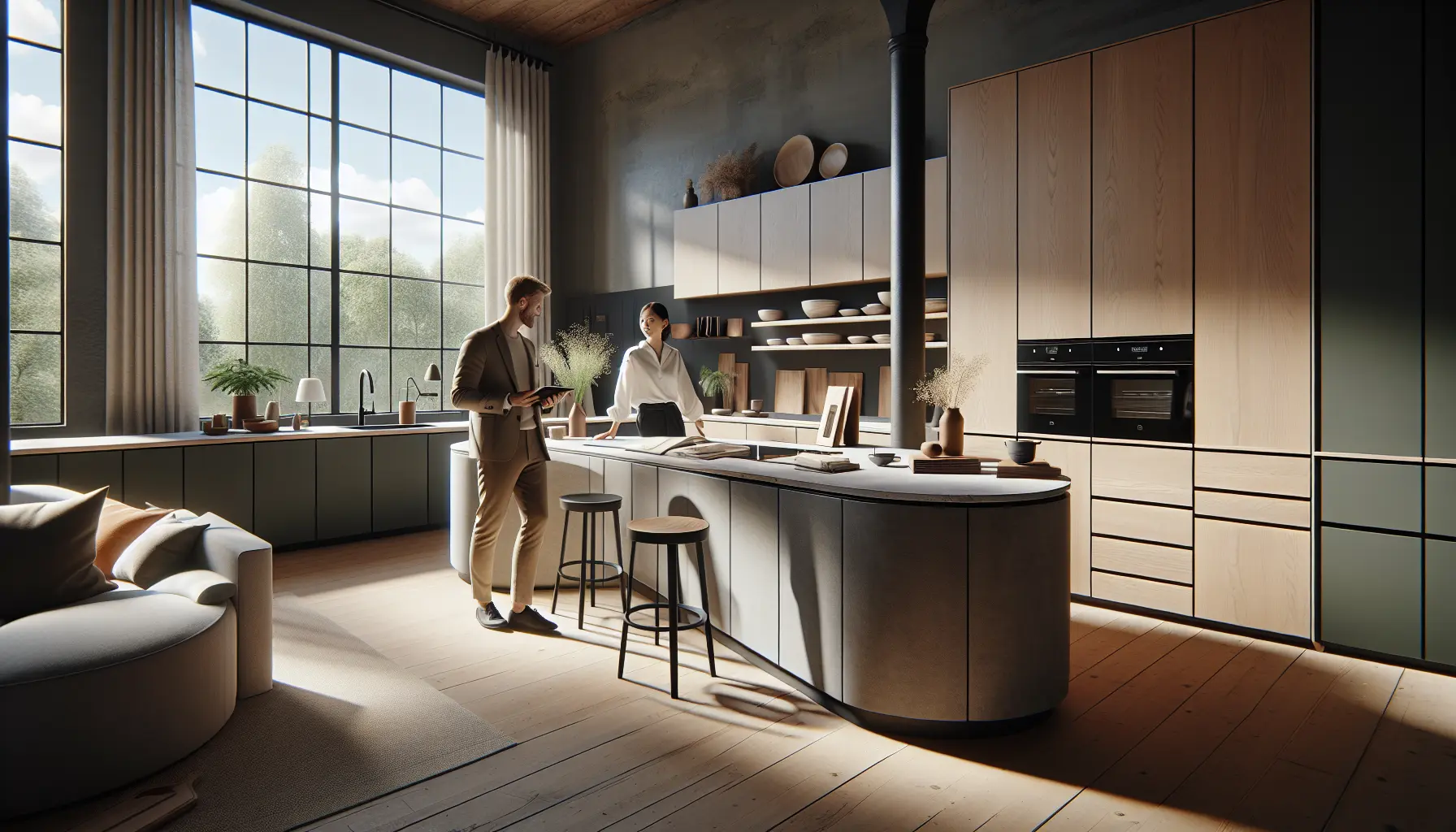
This image was generated with AI and may not always represent the product or service exactly.
Cash Flow Engine: No Stockholding And Upfront Customer Payments
Cash flow is a strength of the model because you don’t hold stock and customers pay staged deposits. In our experience that creates positive working capital on each project: customer payments land before supplier settlement, which lowers your finance cost as volume grows.
Invoices tied to milestones—design sign‑off, order, delivery, completion—keep cash moving predictably. We also recommend a modest buffer for the early months while supplier terms and pipeline timing settle.
When This Doesn’t Apply
If you push heavy promotional discounts or shorten deposit terms to chase volume, the positive cash cycle can flip. Maintain staged payments and protect pricing to keep cash flow healthy.
Your Key First‑Year Costs
People: the proven “team of three” — owner‑manager plus two designers — gives coverage, quick response and showroom energy. See hiring and coaching guidance in Team of Three to £1m.
Premises: rent, business rates and utilities are predictable fixed costs; initial fit‑out and displays are capitalised and amortised. Operating: local marketing, national campaign contribution, software/VR tools, insurance and professional fees. Schmidt supplies training and field support to reduce rookie mistakes.
Monthly Ramp, Seasonality And Pipeline Timing
Momentum starts pre‑launch: local PR, partnerships and targeted outreach. Opening events drive footfall, but the first 100 days should prioritise quality pipeline building—booked home measures and proposals rather than one‑off visits.
Expect spring and autumn decision peaks across the UK. Orders placed early in the year often install later, so revenue and cash profile can lag intake. By month six the pipeline usually matures so orders and gross profit visibly hit the P&L.

This image was generated with AI and may not always represent the product or service exactly.
Break‑Even Math: A Realistic Path
Fixed costs are people, premises and core ops. Each project contributes gross profit to cover those costs. Break‑even depends on enquiry volume, consultation‑to‑order conversion, average order value and margin control. Set monthly consultation and order targets and coach your team on follow‑up to hit those numbers.
Funding Your Showroom: Investment, Co‑Investment And Lenders
Plan for total project investment in the range outlined by the model, typically with a personal contribution and a mix of Schmidt co‑investment and lender funding. For practical next steps on structures and introductions, see Schmidt Co‑investment.
Capex covers fit‑out, displays and opening marketing. Even with positive working capital, a sensible cash buffer smooths early cycles and protects momentum.
Quick Checklist
- Secure an exclusive territory with sufficient qualified homes—start with research in Choosing Your Territory.
- Build a team of three and book pre‑launch consultations.
- Agree staged payment terms and a modest cash buffer.
- Use Schmidt training and tools to standardise consultations and proposals.
ROI In 1–2 Years: Scenarios And Milestones
Year one is about pipeline, margin protection and cost control. A realistic path is to approach break‑even within 12 months as installs fill the schedule. Year two focuses on repeatable processes to scale turnover and owner earnings.
From there, multi‑site expansion becomes a decision about territory strength and team readiness rather than luck. If you aim to scale, keep conversion and margin KPIs central to every monthly review.
How Schmidt De‑Risks Growth: Training, Tech And National Marketing
We provide site selection support, a structured Academy onboarding programme and ongoing field coaching. VR design and dedicated software raise close rates and reduce errors, protecting margin and cash flow.
National TV and digital campaigns build demand while local SEO and paid media support your showroom. For a practical next step, contact our team for a discovery call and outline numbers.
FAQs
Do I Need Design Experience To Open A Showroom?
No. This is a leadership and retail model. You’ll hire and coach designers, run consultations and manage projects with Schmidt training and tooling to guide you.
How Quickly Can I Expect Positive Cash Flow?
Cash flow depends on staged payments and conversion. If you keep deposit terms and margin discipline, positive working capital often appears on early projects; plan for a small buffer while pipeline builds.
What Should I Prioritise In The First 100 Days?
Focus on booking home measures and proposals, coaching conversion, and local outreach that brings qualified leads into the consultation pipeline.
How Are Installations Coordinated?
You scope and price installs, then schedule approved fitters. Clear contracts and staged payments protect margin and customer satisfaction.
When Is A Second Site The Right Decision?
Consider expansion when team, pipeline and cash flow are stable and you consistently meet monthly order and margin KPIs for several quarters.
Who Can I Speak To About Funding Options?
Schmidt can introduce lender contacts and explain co‑investment structures. Start with a discovery call to align your finance plan to territory and launch timing.